
Mitigating AI Hallucinations & Citation Errors in Legal Drafting
The Alarming Surge of AI Hallucinations in Courtrooms
Artificial intelligence has quickly become a valuable tool for legal research and drafting, yet it brings risks that can no longer be ignored. In 2023, two New York attorneys faced sanctions after filing a brief filled with fake case citations generated by ChatGPT. What looked like solid research turned out to be nothing more than fabricated references. The case, Mata v. Avianca, Inc., became a cautionary tale after U.S. District Judge P. Kevin Castel fined the lawyers and publicly rebuked them for failing to verify the AI's work. Fast forward to 2025, and the problem is only getting worse. In California earlier this year, a solo practitioner narrowly avoided sanctions when opposing counsel flagged multiple non-existent cases in his AI-generated motion. For solo practitioners and small firms already balancing tight budgets and limited resources, the consequences of such errors can be devastating, damaging both professional credibility and client trust.
Why Fake Citations Are Spreading Faster Than You Think
AI hallucinations occur when the system confidently produces non-existent or inaccurate legal references. Unlike traditional research errors, these mistakes look authentic and often mimic the style of legitimate case law. In Texas, one solo attorney recently cited three appellate decisions that simply did not exist, placing both the case and his reputation in jeopardy. The illusion of accuracy is what makes hallucinations so dangerous. Lawyers under pressure from clients and courts sometimes accept AI-generated drafts without the rigorous review that traditional research demands. In today's practice environment, where deadlines are relentless and workloads are heavy, these seemingly flawless but false outputs are becoming a ticking time bomb.
Safeguards Every Solo and Small-Firm Lawyer Must Adopt
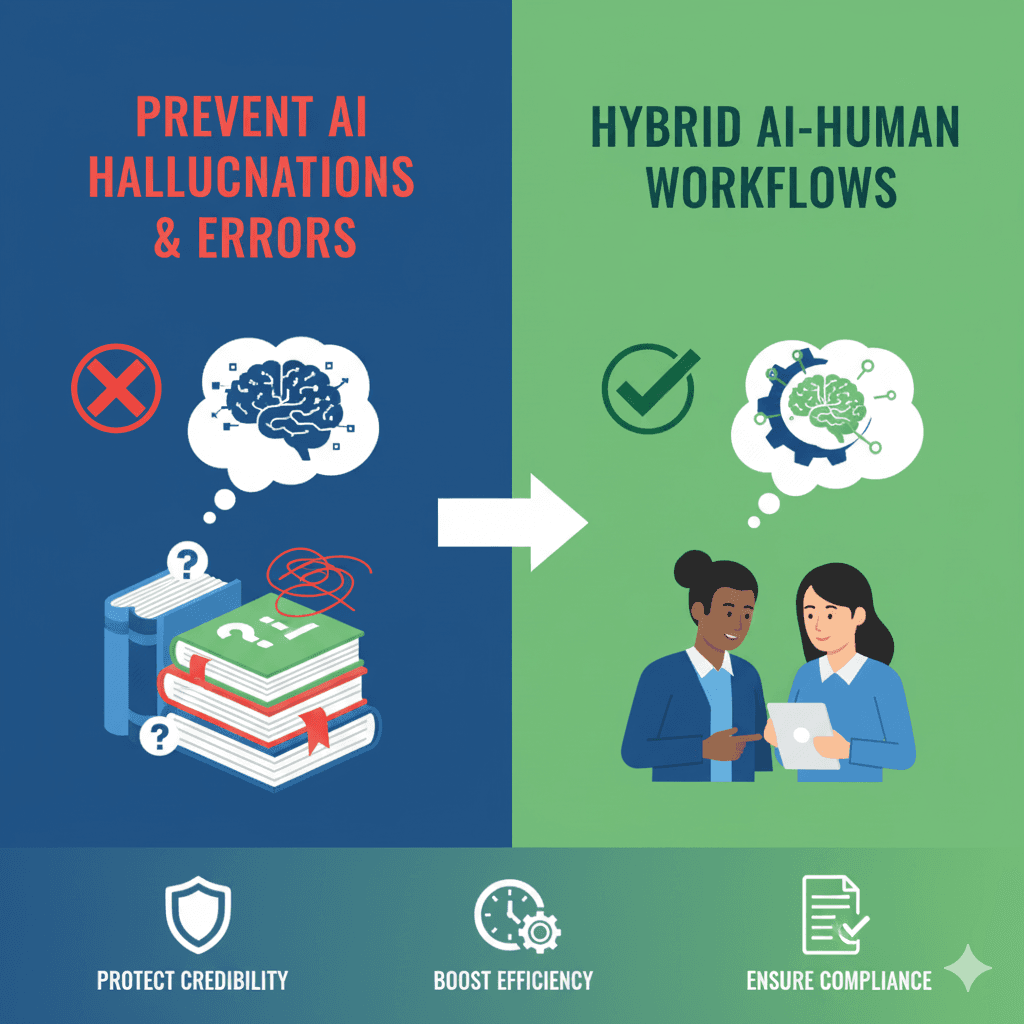
Avoiding AI-driven mistakes requires more than a quick glance over a draft. Lawyers need to establish verification systems that become part of their routine. Every case citation should be cross-checked against authoritative sources like Westlaw, LexisNexis, or official court databases. AI should never be treated as a replacement for paralegals or attorneys but rather as an assistant for drafting efficiency. Solo practitioners and small firms in particular can benefit from a hybrid approach in which AI provides the first draft and a human legal professional reviews it for accuracy. By embedding verification into the workflow, lawyers ensure that speed does not come at the cost of credibility.
Building a "Trust but Verify" Framework for AI Drafts
The safest way to use AI in legal work is to treat its outputs as the work of a very eager but inexperienced intern. Useful, yes, but never final. A "trust but verify" framework ensures that every AI-generated draft undergoes a two-step review. First, attorneys must confirm the factual and legal accuracy of statutes and case law. Second, they must ensure that the citations and analysis are truly relevant to the client's matter. By formalizing this review system, firms can combine the efficiency of AI with the reliability of human oversight, delivering legal services that are both fast and trustworthy.
Beating the Biggest Roadblocks to AI Compliance
Despite the clear need for safeguards, lawyers often face obstacles when integrating AI responsibly. Time pressure is the most common challenge, as attorneys feel that verifying every detail undermines the efficiency AI promises. Smaller firms also hesitate to invest in premium AI tools with built-in compliance features, seeing them as an additional expense rather than a safeguard against malpractice. Finally, many lawyers are not formally trained to recognize hallucinations, leaving them vulnerable to mistakes that slip through unnoticed. Acknowledging these barriers is the first step toward overcoming them. Solutions include targeted CLE programs, investment in smarter AI platforms, and outsourcing verification tasks to trusted legal process outsourcing providers.
How Juris LPO's Dual Paralegal Model Keeps You Protected
Specialized support can make a significant difference in addressing these risks. At Juris LPO, we have developed a dual-paralegal system designed to minimize errors. One AI-powered paralegal accelerates drafting and research, while a human paralegal carefully reviews the output against primary legal sources. This layered model provides speed without sacrificing reliability, ensuring compliance with both ABA standards and local court requirements. For solo practitioners and small firms that cannot afford large internal teams, this approach provides affordable access to a safeguard against hallucinations while allowing them to scale their practice with confidence.
Your 2025 Hallucination Defense Toolkit for Lawyers
Every lawyer in 2025 needs a practical strategy for managing AI hallucinations. The foundation of that strategy is choosing an AI drafting platform with strong citation-checking features, maintaining access to reliable legal databases, and creating internal or outsourced review protocols to validate AI outputs. Lawyers who take the extra step of openly communicating with clients about how AI is used in their matters build additional trust and transparency. With these practices in place, attorneys can harness the benefits of AI while staying protected from professional and reputational harm.
2025 Legal Tech Regulations That Will Impact Your Practice
Regulators are moving quickly to establish clearer rules. In early 2025, the American Bar Association issued guidance requiring lawyers to maintain technological competence, which now includes understanding both the advantages and risks of AI. Several states, including California and Florida, are introducing rules that make AI disclosure in legal filings mandatory. The days when lawyers could claim ignorance of how AI works are over. Technological competence is now a professional duty, and courts will not hesitate to hold attorneys accountable for lapses.
The Future of AI in Law: Efficiency Without Sacrificing Credibility
The future of AI in legal practice is not about eliminating risk but about managing it wisely. Lawyers who embrace AI with responsible safeguards will enjoy the dual benefits of speed and reliability, while those who cut corners will face sanctions, client mistrust, and reputational setbacks. The formula for success in 2025 is simple but powerful: artificial intelligence paired with human oversight equals credible, compliant, and competitive lawyering.